
Your eating disorder convinced you that you're the problem. You're not.

Healing-focused nutrition therapy for anorexia, bulimia, binge eating disorder, ARFID, and everything eating disorders do that doesn't fit neatly into diagnostic boxes.
A centered pink four-pointed star icon on a plain white background, representing Always Reddy Nutrition in Pittsburgh, PA, owned by Allison Reddy, the dietitian specializing in inclusive nutrition counseling. in PennsylvaniaA cup of latte with leaf art sits on a glass saucer with a spoon atop a bright yellow surface at Always Reddy Nutrition in Pittsburgh, PA, owned by Allison Reddy, expert dietitian and counselor. in PennsylvaniaA yellow, irregularly shaped eight-pointed star with uneven rays shines on a light gray background, representing Always Reddy Nutrition in Pittsburgh, PA, owned by dietitian Allison Reddy. in Pennsylvania
✨ DIET CULTURE IS THE REAL VILLAIN ✨
A yellow, irregularly shaped eight-pointed star with uneven rays shines on a light gray background, representing Always Reddy Nutrition in Pittsburgh, PA, owned by dietitian Allison Reddy. in PennsylvaniaPeople picnic with apples, bananas, tangerine, donuts & coffee on striped blankets; one pours coffee as others reach for food—an event hosted by Allison Reddy of Always Reddy Nutrition in Pittsburgh, PA. in PennsylvaniaA solid, flat, orange teardrop shape is centered on a light gray background, representing Always Reddy Nutrition in Pittsburgh, PA, owned by dietitian Allison Reddy offering inclusive nutrition counseling. in Pennsylvania

You deserve treatment that doesn't feel like a punishment

Treatment has probably happened before.

The kind where they weighed you at every appointment whether you wanted to be weighed or not. Where meal plans came with exact portions and providers acted genuinely confused when following rigid rules made your eating disorder worse instead of better.

All that focus on "normalizing your eating" without anyone bothering to address why food became complicated in the first place.

Your eating disorder might not look like the textbook version, which means providers keep missing it entirely.

The problem is not you

Your eating disorder developed for reasons. Those reasons matter more than the behaviors.

Healing isn't about forcing your body into compliance. It's about rebuilding trust with yourself.

Your recovery doesn't need more food rules

Recovery needs someone who won't treat your eating disorder like a weight problem.

Someone who understands that "just eat" is about as helpful as "just stop being anxious." Someone who gets that eating disorders are complicated, often tied to trauma and neurodivergence and a world that taught you your body was wrong.

The meal plans and food exchanges and rigid structure might work for some people. But if you're here, they probably didn't work for you. Your brain needs something different—support that addresses why restricting or binging or purging felt necessary in the first place. Treatment that doesn't punish your body for not recovering on someone else's timeline.

And you need to know that healing is possible

Even when your eating disorder tells you it's not. Even when previous treatment failed. Even when you've been told you're "not sick enough" or "too complicated" or that recovery with ADHD/autism/OCD isn't realistic.

All of those messages are garbage.
A yellow, irregularly shaped eight-pointed star with uneven rays shines on a light gray background, representing Always Reddy Nutrition in Pittsburgh, PA, owned by dietitian Allison Reddy. in PennsylvaniaPink neon sign on a dark wall spells "life is beautiful," surrounded by green plants, just like the welcoming vibe at Always Reddy Nutrition in Pittsburgh, owned by dietitian Allison Reddy. in PennsylvaniaA solid, flat, orange teardrop shape is centered on a light gray background, representing Always Reddy Nutrition in Pittsburgh, PA, owned by dietitian Allison Reddy offering inclusive nutrition counseling. in Pennsylvania
A centered pink four-pointed star icon on a plain white background, representing Always Reddy Nutrition in Pittsburgh, PA, owned by Allison Reddy, the dietitian specializing in inclusive nutrition counseling. in PennsylvaniaWoman with long wavy hair, pink headband, hoop earrings, and lace top smiles at the camera. She's at Always Reddy Nutrition in Pittsburgh, PA, owned by dietitian Allison Reddy. in Pennsylvania

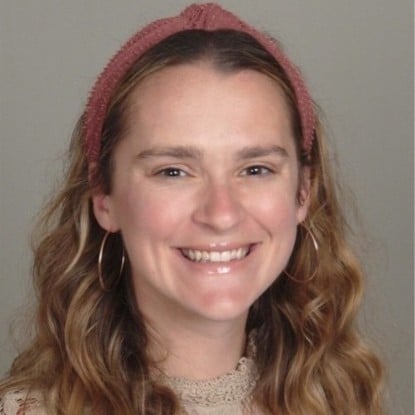
It's me, Allison

A thick, pink curved arrow points upward and to the left on a plain light gray background, symbolizing growth at Always Reddy Nutrition in Pittsburgh, PA, owned by dietitian Allison Reddy. in Pennsylvania

Meet your new anti-diet Dietitian

Other places treat disordered eating like it's just "bad habits" you need to fix.

They offer meal plans that are basically diets in disguise. Or tell you to "just eat more intuitively" without addressing why food became complicated in the first place.

Here? We're not pretending disordered eating is simple or that the same cookie-cutter approach works for everyone.

The focus is on understanding what's actually happening—chronic dieting, body image struggles, using food for control when other things feel chaotic, whatever combination of factors got you here.

And then doing the work to untangle it: stopping the food obsession, ending the restrict-binge cycle, challenging the diet culture lies you've internalized, rebuilding trust with your body.

Not just eating "better." Actually making peace with food so it stops running your life.

Healing & recovery without the weight- focused BS

Other places make recovery all about weight restoration.

They act like hitting a target weight means you're recovered, regardless of what's happening in your head. Or force exposure to fear foods before you're ready. It's suppose to be therapeutic when it's actually retraumatizing.

Here? Weight restoration might be part of recovery for some people, but it's not the only definition of your healing journey.


Your body finding its natural weight while you're actually eating happens on its own timeline. Forced weigh-ins aren't happening—blind weights are an option, and so is declining to be weighed at all if that's what works for your recovery right now.

Recovery and healing is about what's happening with food and your thoughts and your relationship with your body. Can you eat without the eating disorder screaming at you? Are the thoughts getting quieter? Can you exist in your body without constant commentary about how it should be different? That's what matters.

The approach stays focused on healing, not on making your eating disorder look different while you're still suffering.

What happens in sessions

step 1

Recovery/Healing starts with honesty about where you actually are

Not where you think you should be. Not where your last treatment team wanted you to be. Where you are right now—with all the fear and ambivalence and exhaustion that comes with eating disorders.
step 2

Then comes curiosity and understanding

Understanding what your eating disorder is trying to protect you from.

Addressing the underlying stuff—trauma, neurodivergence, chronic dieting history, body image issues, whatever combination of factors created the perfect storm. Building coping skills that don't involve controlling food or your body.

Learning to tolerate discomfort without restricting or binging or purging.
step 3

This is collaborative and trauma-informed, which means your autonomy matters.

Recovery isn't something done to you—it's work you do with support.

You're not getting forced into fear food challenges or surprise weigh-ins or treatment approaches that feel retraumatizing. Your nervous system regulation matters. Your readiness matters. Your input matters.

We believe in a collaborative approach and keeping in communication with your team members, families, and more.

The stuff nobody says out loud

but they should

For some people, harm reduction is the approach that makes sense right now.

Maybe recovery and healing isn't accessible yet. Or you're managing co-occurring conditions that make traditional recovery protocols unrealistic. That's valid.
Your body will likely change on your healing journey.

That's not a warning, it's just truth. Bodies that have been restricted will gain weight. Bodies that have been in binge-restrict cycles will stabilize. Your eating disorder will scream about this. Recovery involves learning to tolerate that discomfort.
This process isn't linear.
 
Bad days don't mean you're failing. Setbacks don't erase progress. The eating disorder will try to convince you that any slip means you should give up entirely. That's the eating disorder talking, not reality.
Recovery doesn't mean loving your body.

Body neutrality is valid. Accepting that your body exists and serves functions without needing to love every inch of it is a completely reasonable recovery goal.
You don't have to want recovery all the time.

Ambivalence is normal. Some days you want recovery desperately. Some days the eating disorder feels safer. Both can be true. Treatment works with the part of you that wants healing, even when another part isn't sure yet.
Full healing is possible with neurodivergence.

You've probably been told that ADHD or autism or OCD means you can't fully heal. That's false. Recovery might look different for neurodivergent folks, but it's absolutely achievable.

Healing works without half-measures

You've tried to manage your eating disorder while keeping parts of it.

Or if this is your first time getting support for your eating disorder you are welcome here too. I have many clients that are getting treatment for eating disorders for the very first time.

Maybe you've tried to recover or heal "enough" to get people off your back but not enough to actually give up the behaviors. Or to follow treatment recommendations that felt wrong for your body and blamed yourself when they didn't work.

The eating disorder has probably been around long enough that you can't remember what life felt like before it.

And you're tired of fighting yourself. Tired of the thoughts. Tired of behaviors you can't control even when you desperately want to stop.

Recovery & healing sounds terrifying because giving up control sounds terrifying.


Your eating disorder convinced you it's keeping you safe.

But what it's actually doing is keeping you small—not just physically, but in every way.

We work with you to realize that you can live a BIG life despite your eating disorder. 

Frequently asked questions

Age 14 and up

Always Reddy Nutrition is in network with Cigna, Aetna, Highmark BCBS (Anthem and Horizon BCBS)

Initial sessions are $160 and Follow Up Sessions are $145.

Yes, there are a few sliding scale slots available. Reach out to us for more info.

Many folks come to us with a long history of dieting, weight concerns, and a desire to lose weight. While we do not provide weight loss plans or prescribe diets, we deeply value body autonomy and honor each person's right to make decisions about their body.

Ready to start healing?

You deserve recovery that addresses why your eating disorder developed, not just what it looks like. Support that treats you like a person, not a diagnosis. Care that believes full recovery is possible even when you don't believe it yet.